Short answer: A good martial art makes kids stronger, calmer and more confident – without making them aggressive. Brazilian Jiu-Jitsu is especially well suited because there’s no punching or kicking: kids learn to hold their own with technique, handle losing and respect others. Children can start from about age 4.
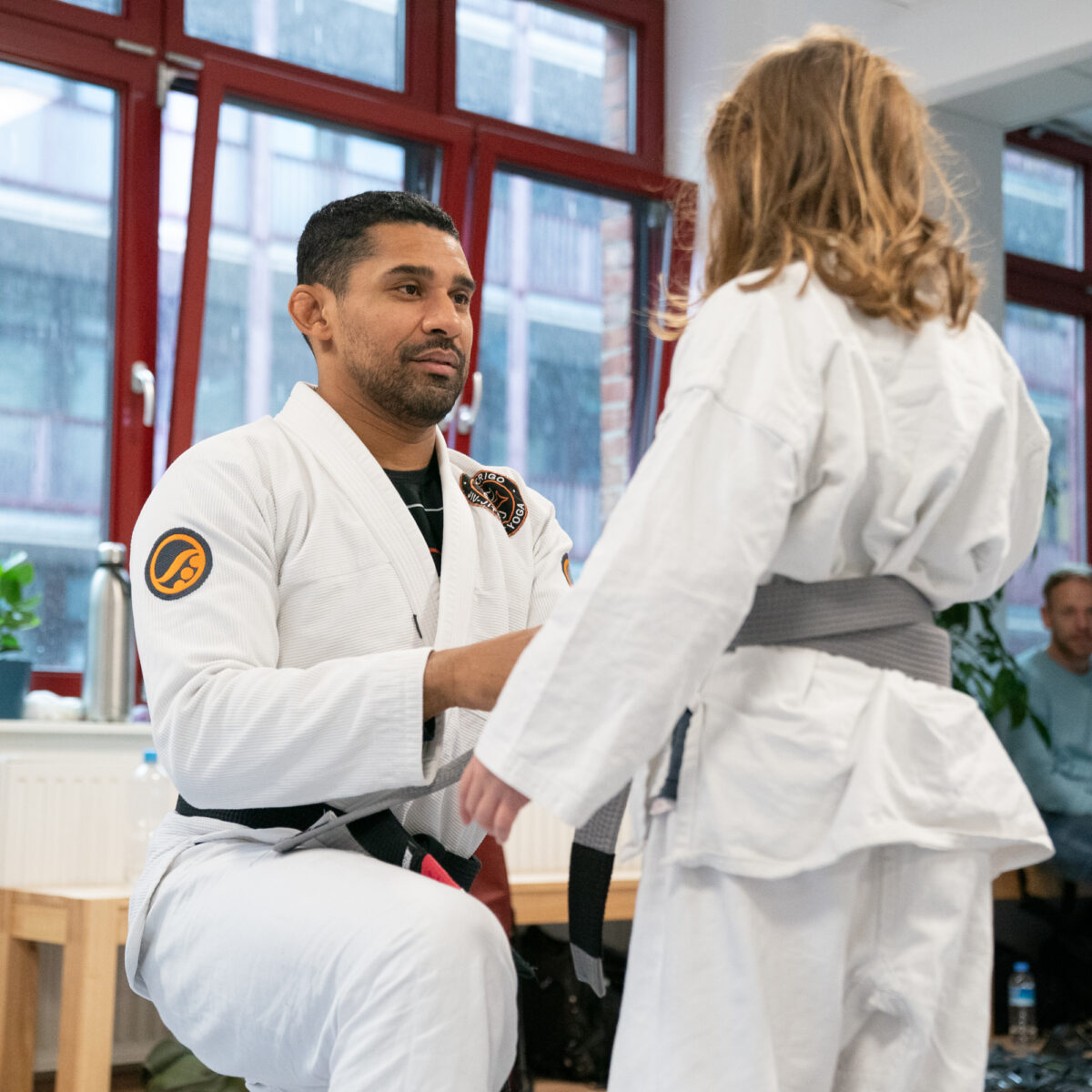
By Rodrigo Fernandes, Brazilian 3rd-degree black belt who has taught kids, teens and adults for more than 15 years – Head Coach at BJJ DOJO Berlin (Checkmat).
Why martial arts are so valuable for kids
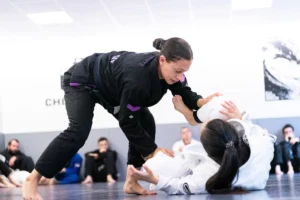
Kids need places where they’re allowed to test themselves physically – with clear rules and adults paying attention. On the mat they find out what it feels like to be on the bottom and still not give up. They see that effort leads to progress. And they learn that you can be strong without hurting anyone.
That’s the core: it’s not about winning. Our culture often treats losing as failure. In jiu-jitsu everyone loses all the time – the coach included. You tap, you learn something, you get up and go again. Kids take that attitude with them into school, friendships and later into work.
Which martial art suits my child?
| Jiu-jitsu (BJJ) | Judo | Karate / Taekwondo | Boxing / Kickboxing | |
|---|---|---|---|---|
| Punches/kicks | No | No | Yes (mostly controlled) | Yes |
| Focus | Groundwork, control | Throws | Forms, technique | Striking, conditioning |
| Training against resistance | Lots, playful | Lots | Less | Lots |
| Typical starting age | From 4 | From 5–6 | From 5–6 | Usually 8–10+ |
Any martial art can be good – the coach and the atmosphere decide. For younger children there’s a lot to be said for arts without striking, because kids experience contact and strength in a safe way.
What kids learn in jiu-jitsu
- Confidence: not from praise, but from real experience – “I got out.”
- Respect: for training partners, coaches and rules – practised on the mat, not just talked about.
- Frustration tolerance: not every technique works the first time. Kids learn to stick with it.
- Body awareness: coordination, balance, strength and mobility – a true full-body workout.
- Calm under pressure: a child who can breathe and think while stuck on the bottom can do the same in an exam.
- Protecting themselves without violence: escaping grips, keeping distance, saying no – including against bullying.
From what age?
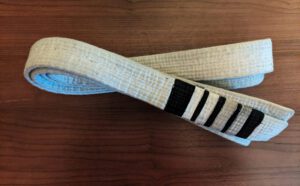
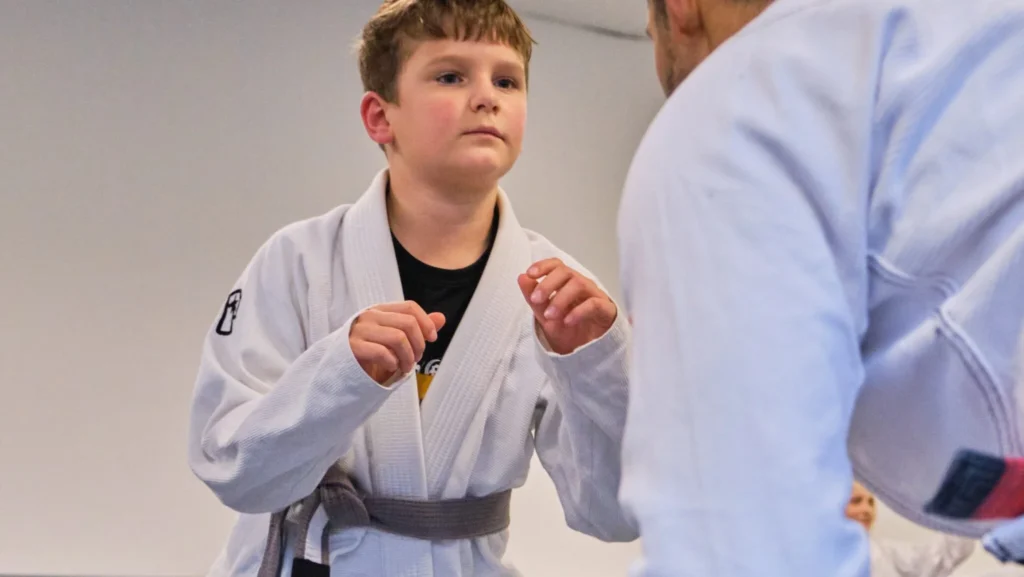
From about 4, once a child can follow a group and simple instructions. For the youngest, play comes first: rolling, balancing, little games. At 7 to 10 it gets more technical, and teenagers train almost like adults. The kids’ belt system is explained in BJJ belts: order and meaning.
How to spot a good martial arts school
- Coaches know the kids’ names and speak to them directly.
- Small groups by age, so kids train with peers.
- Clear rules and a calm, respectful atmosphere – no shouting, no toughness for its own sake.
- Belts are earned, not sold or handed out after a fixed number of months.
- Parents are welcome to watch, especially during a trial class.
What if my child wants to quit?
It happens to almost every child at some point. Often it’s insecurity, not lack of interest. What parents can do is covered in My child wants to quit jiu-jitsu – what now?
Frequently asked questions
What is the best martial art for kids?
The one your child enjoys and does regularly – with good coaches. Brazilian Jiu-Jitsu and judo are especially good for younger kids because there’s no striking and lots of playful training against resistance.
What age should kids start martial arts?
From about 4, once a child can follow a group. Up to around 6, playful movement is the main focus.
Do martial arts make kids aggressive?
A good martial art does the opposite: kids learn control, respect and rules. Children who know they can defend themselves don’t need to prove anything.
Does jiu-jitsu help with bullying?
In two ways: kids become more confident and it shows, and they learn to escape grips without hitting anyone. Bullying should still always be addressed with the school and parents.
Is BJJ safe for kids?
Yes, the injury risk is low. There’s no striking, submissions are used very carefully or not at all with young kids, and every child can tap at any time.
How often should my child train?
Once or twice a week is ideal for most kids. It stays fun and the progress is still clear.
Kids BJJ in Berlin-Kreuzberg
At BJJ DOJO Berlin, kids from 4 to 15 train in age groups – with coaches who are parents themselves. Great for international families too: our coaches speak English. More about our kids programme → · Book a free trial class →