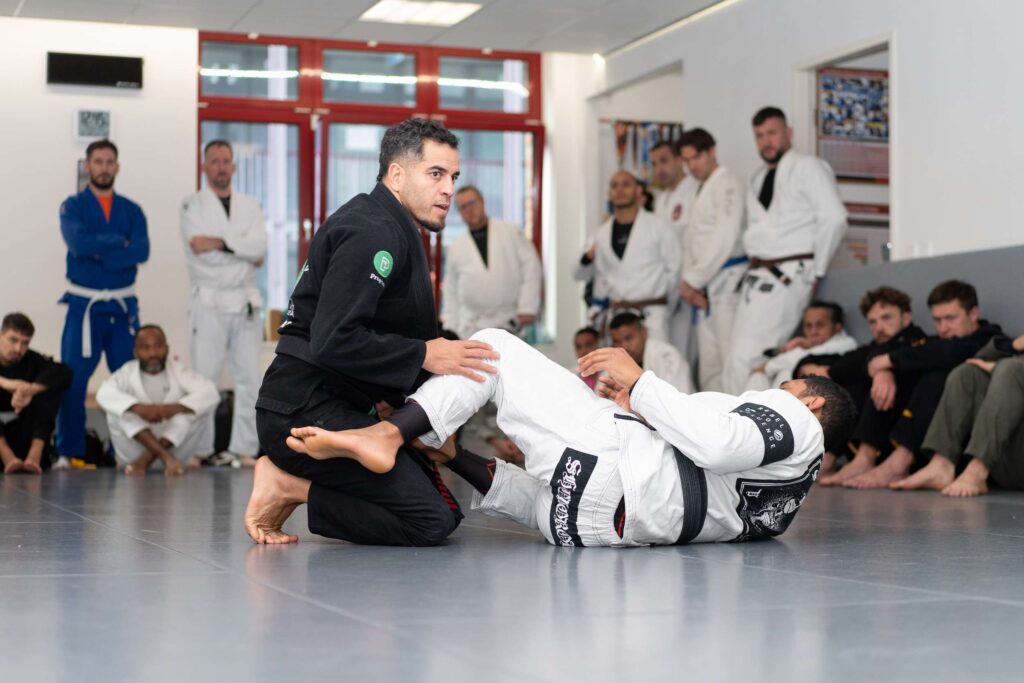
Short answer: In gi BJJ you train in the traditional uniform (kimono) and can grip the collar, sleeves and trousers. In no-gi you wear a rash guard and shorts – no fabric grips, so it’s faster and more physical. Both are Brazilian Jiu-Jitsu, and most good grapplers train both.
By Rodrigo Fernandes, Brazilian 3rd-degree black belt, training BJJ since 2001 – Head Coach at BJJ DOJO Berlin (Checkmat), where we teach both gi and no-gi classes.
Gi vs no-gi at a glance
| Gi | No-gi | |
|---|---|---|
| Clothing | BJJ gi (jacket, trousers) + belt | Rash guard + shorts or spats |
| Grips | Collar, sleeves, trousers allowed | Body only (neck, arms, legs) |
| Pace | Slower, more tactical | Faster, more explosive |
| Typical techniques | Spider guard, lasso, collar chokes | Underhooks, leg locks, front headlock |
| Belts | Yes, white to black | Usually no separate belts |
| Good for | Technique, precision, self-defence in clothes | MMA, wrestling, conditioning |
What is the gi?
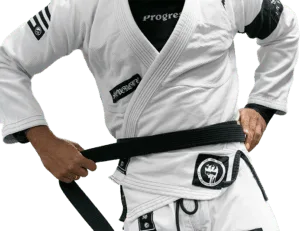
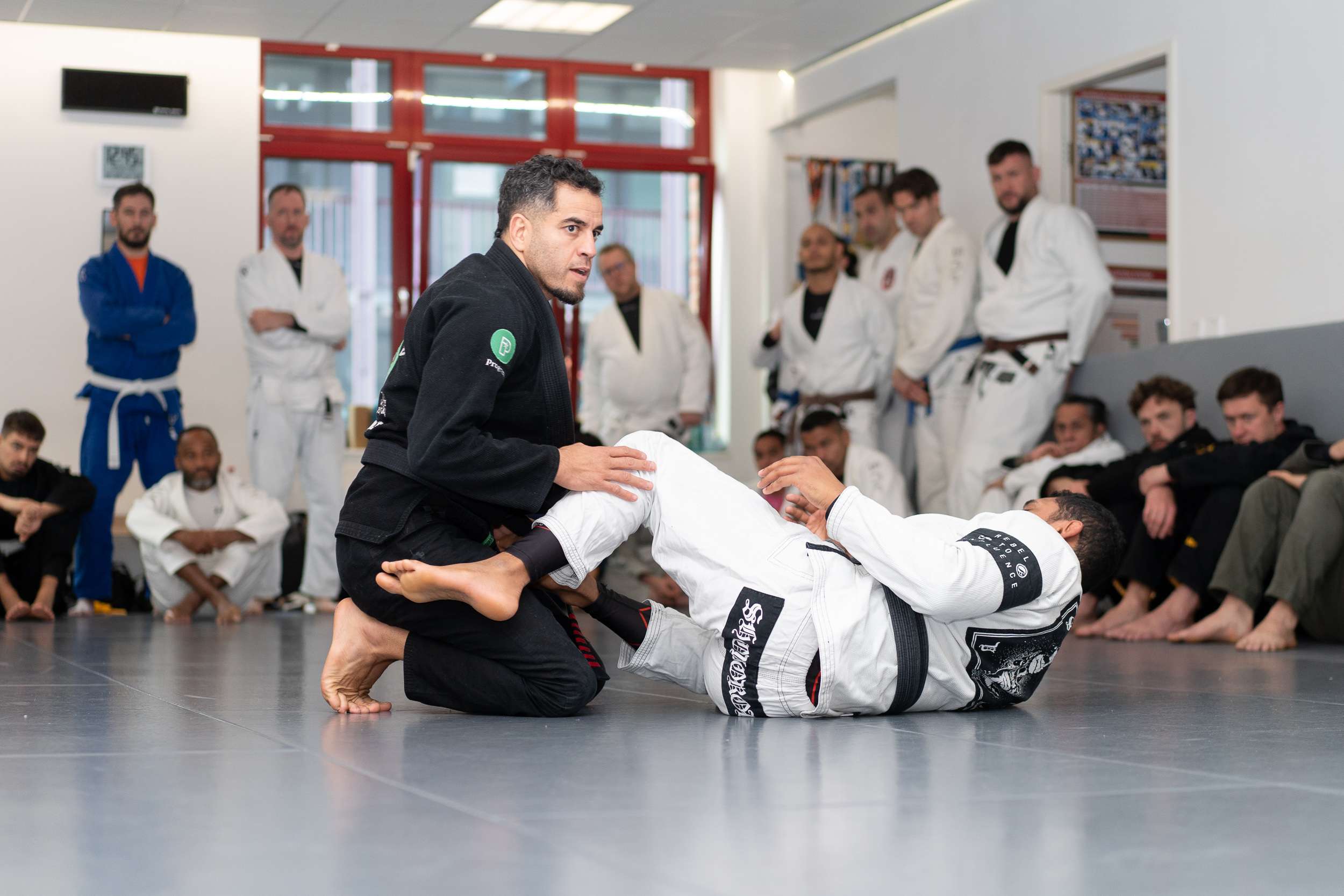
The gi is the thick cotton uniform you might know from judo. A BJJ gi is cut tighter and built tougher, because it gets pulled on constantly on the ground. And that’s the whole point: in gi BJJ, the clothing is a tool. You can choke with the collar, control with the sleeve and off-balance someone with their trouser leg.
That makes the game slower and more tactical. You can’t just wriggle out – whoever grips well, controls. For beginners that’s often frustrating, but it forces you to work cleanly instead of with strength.
What is no-gi?
In no-gi you train in a rash guard and shorts. There’s nothing to hold except head, arms, body and legs, so underhooks, overhooks, wrestling grips and leg attacks dominate. The pace is higher, it’s easier to slip out of positions – and mistakes get punished faster.
No-gi is closer to wrestling and MMA. People coming from those sports often feel at home in no-gi straight away.
Which is better for beginners?
Our recommendation: start with the gi if you can. The gi slows everything down and shows you exactly where your technique is off. People who learned to move in the gi usually adapt to no-gi quickly; the other way round is often harder.
But the best answer is both. The gi builds precision and patience; no-gi builds pace, athleticism and pressure. Together they give you complete jiu-jitsu. A good mix is, for example, two gi sessions and one no-gi session a week.
Do techniques transfer?
The principles do – leverage, balance, positions, pressure. Individual techniques don’t always: a spider guard doesn’t work without sleeves, and a collar choke needs a collar. In no-gi you replace fabric grips with body grips and use hooks and your legs a lot more.
Belts in gi and no-gi
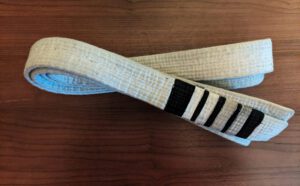
The classic belt system (white, blue, purple, brown, black) comes from the gi. No-gi usually has no separate belts; tournaments divide people by experience (beginner, intermediate, advanced). Most academies promote you for your overall jiu-jitsu – gi and no-gi together. More in BJJ belts: order, colours and meaning.
In the end, it’s all jiu-jitsu
- You want technique, precision and control? → Gi.
- You want pace, athleticism, MMA? → No-gi.
- You want the full picture? → Both.
The difference is in the clothing and the rules. The core – adapting, staying calm, solving problems – is the same.
Frequently asked questions
Is gi or no-gi harder?
It depends on you. Gi is more technical and slower, with more grips and details to learn. No-gi is faster and more physical, and mistakes get punished quicker. Many people find the gi harder at first.
Should beginners start with gi or no-gi?
If possible, start with the gi and add no-gi after a few months. The gi teaches clean technique and patience, which makes no-gi easier later.
Are there belts in no-gi BJJ?
Usually not. The belt system comes from the gi. No-gi tournaments divide by experience, and in most academies your belt counts for gi and no-gi together.
Is no-gi better for MMA?
Yes, no-gi is closer to MMA because there’s no clothing to grip there either. Many MMA fighters still train in the gi to sharpen their technique.
What is a BJJ gi and how much does it cost?
It’s the training uniform made of tough cotton: jacket, trousers and belt. A good beginner gi costs roughly €60–120, competition gis €120–200.
What gi size do I need?
BJJ gis come in A sizes (A0 to A5) for adults, F sizes for women and M sizes for kids. Height and weight matter most – and cotton shrinks a little in the first wash. If in doubt, ask your coach.
Do I need a gi for my first class?
No. For a trial class, comfortable sportswear with long trousers and a T-shirt is enough. Buy a gi once you know you’ll keep training.
Gi and no-gi at BJJ DOJO Berlin
In Kreuzberg we teach both: gi classes for beginners and advanced students, plus no-gi classes. See all times in the training schedule. New to BJJ? Start with our beginners course. Book a free trial class →